Cognitive & Neuro Research Peptides
The neuropeptide literature centers on a small group of Russian-developed compounds with unusually deep publication records. Semax, a synthetic ACTH(4-10) analog, is studied primarily for BDNF and NGF expression. Selank, derived from tuftsin, appears mainly in anxiolytic and GABAergic-modulation models. Cerebrolysin, a peptide preparation of porcine brain origin, is one of the most-studied neurotrophic agents in the neurorestoration literature.
Because Semax and Selank act through different systems — neurotrophic-factor expression versus GABAergic and monoamine modulation — they are commonly studied side by side rather than as substitutes.
Supplied lyophilized in multi-vial research kits and shipped from our US facility with tracking. For in-vitro laboratory research and analytical method development only — not for human or veterinary use.
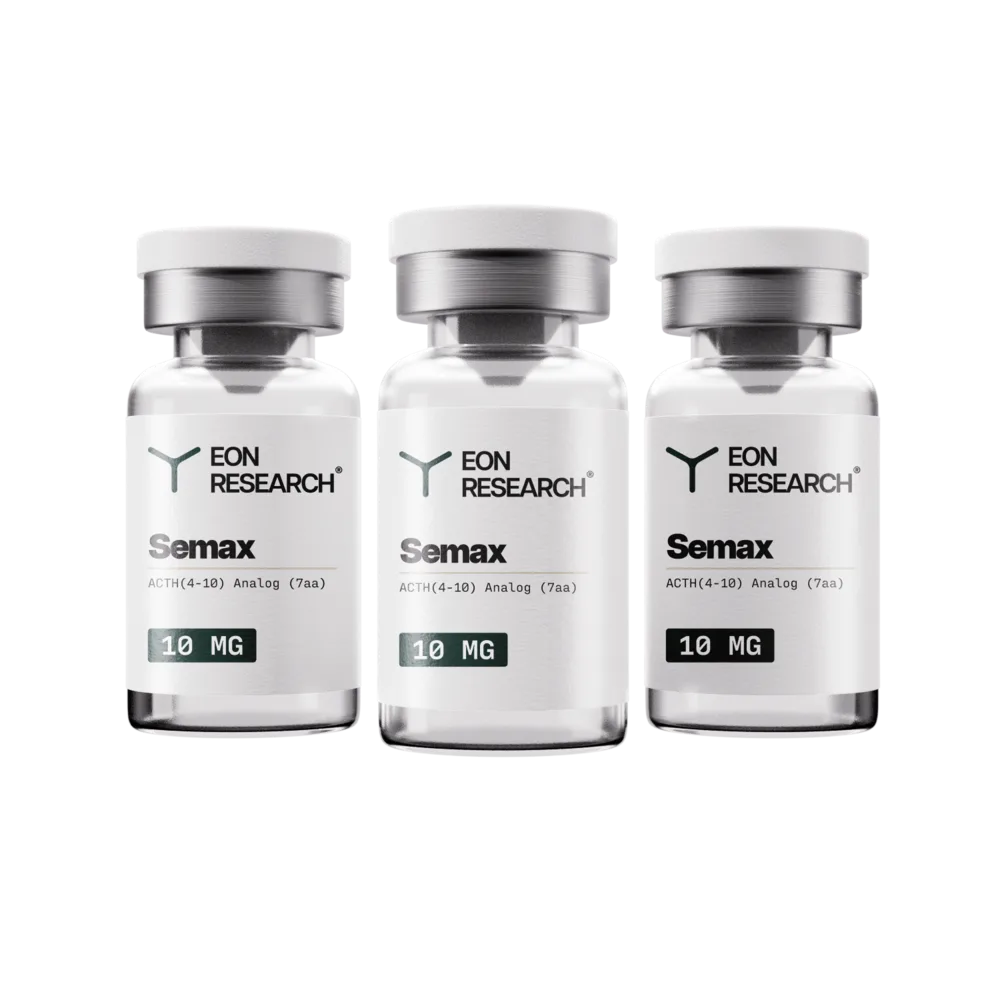
ACTH(4-7) analog studied for cognitive enhancement, neuroprotection, BDNF upregulation, and focus.
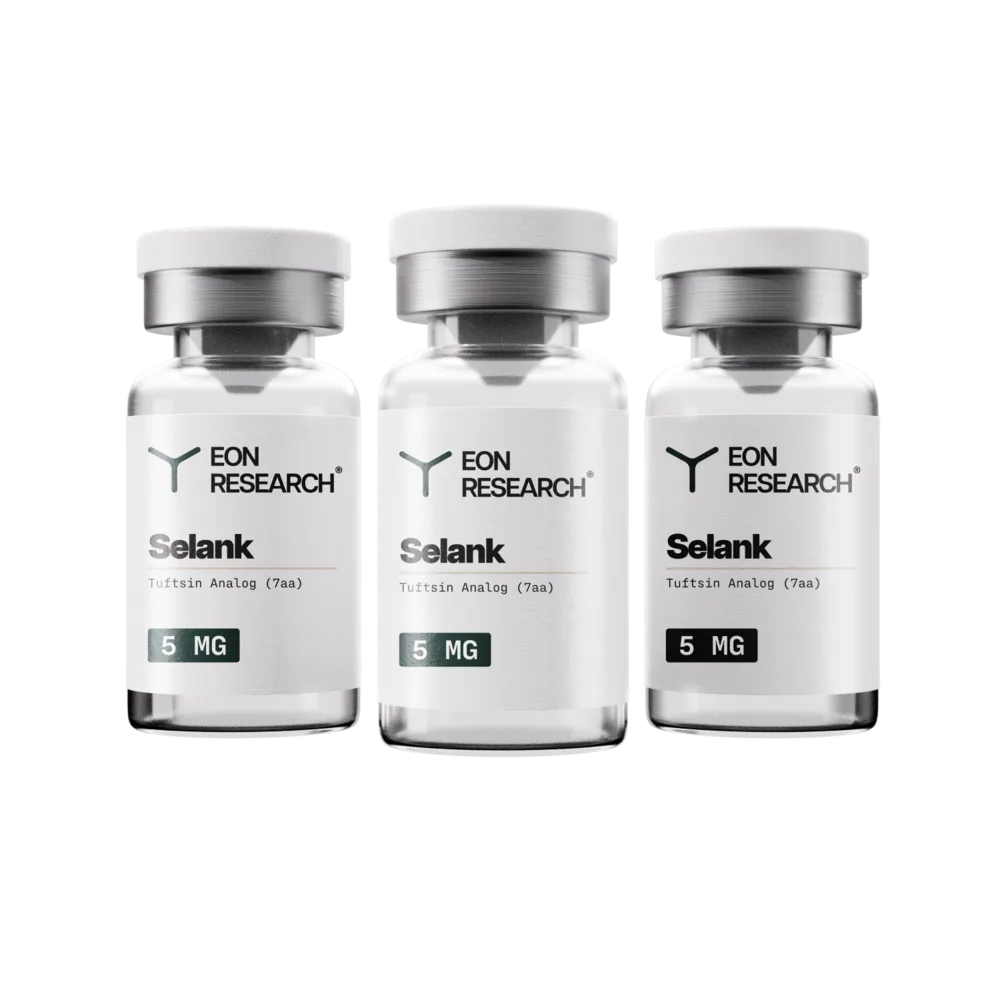
Anxiolytic peptide studied for stress reduction, memory improvement, and mood stabilization.
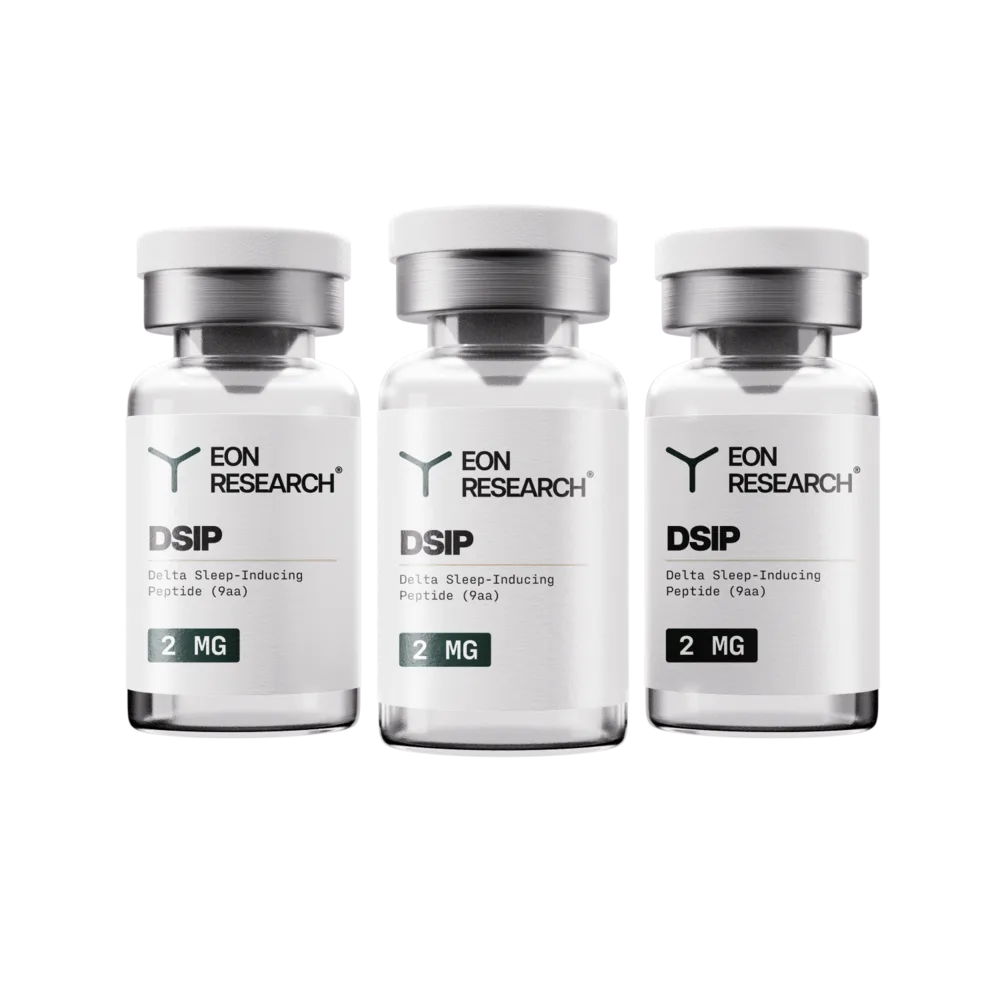
Delta sleep-inducing peptide studied for sleep architecture, stress resilience, and neuroendocrine support.
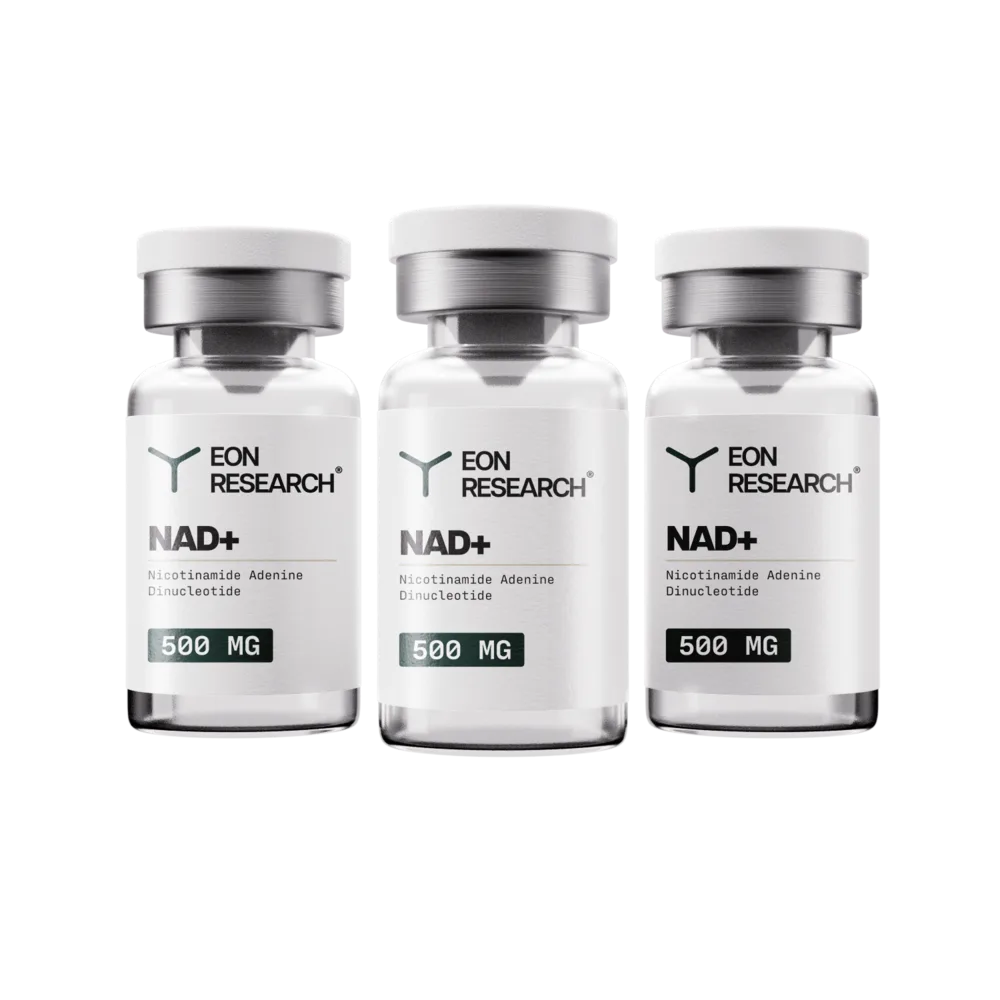
Nicotinamide adenine dinucleotide studied for cellular energy metabolism, DNA repair, and cognitive clarity.

Mitochondrial-derived peptide studied for metabolic regulation, insulin sensitivity, and exercise adaptation.
Research reading on cognitive & focus
- What Is Semax? Nootropic Peptide Research OverviewSemax is a short ACTH(4-10)-derived peptide studied in BDNF-expression and neuroprotection research models. Here's what the research describes — and how it's handled as a reference standard.
- What Is Selank? Anxiolytic-Class Peptide ResearchSelank is a tuftsin-derived peptide studied in anxiolytic-class and GABAergic research models. Here's what the literature describes and how it's handled in the lab.
- Semax vs Selank: Research ComparisonSemax and Selank are often paired, but they trace to different parent peptides and are studied along different research lines. A structured head-to-head comparison.
- What Is DSIP (Delta Sleep-Inducing Peptide)? ResearchDSIP (Delta Sleep-Inducing Peptide) is a nonapeptide studied in sleep-regulation and neuroendocrine research models. Here's what the literature describes.
Frequently asked questions
+What is the difference between Semax and Selank?
Semax is an ACTH(4-10) analog studied largely for upregulation of BDNF and NGF — neurotrophic-factor pathways associated with plasticity. Selank is a tuftsin analog studied mainly for GABAergic and monoamine modulation in anxiolytic models. Different mechanisms, different study designs.
+What is DSIP studied for?
Delta-sleep-inducing peptide is investigated for its role in sleep-architecture regulation, and also appears in stress-response and neuroendocrine models. It is frequently included in circadian-signaling research alongside cognitive compounds.
+Why does NAD+ appear in a cognitive collection?
NAD+ is central to mitochondrial energetics, and neuronal tissue is among the most metabolically demanding in the body. It appears in cellular-energetics research that overlaps both the neuro and longevity literature.
+Are these products for human use?
No. All neuropeptides listed are supplied as reference standards for in-vitro laboratory research and analytical method development only.
Related research topics
Researchers arriving at this collection are typically comparing nootropic peptides, cognitive research peptides, semax vs selank, brain peptide research. Each compound page carries CAS number, molecular formula, and per-lot third-party HPLC purity documentation.