Recovery & Tissue Repair Research Peptides
Tissue-repair research is the second-largest published peptide category after metabolic work. BPC-157 (body protective compound) and TB-500 (a thymosin beta-4 fragment) anchor the field and appear constantly in tendon, ligament, muscle, and gastrointestinal repair models — frequently together, since BPC-157 is studied primarily for angiogenesis and cytoprotection while TB-500 is studied for actin regulation and cell migration.
Alongside them: KPV, the C-terminal tripeptide of α-MSH studied in inflammation and gut-barrier models, and SS-31, a mitochondria-targeted tetrapeptide studied for cardiolipin binding and oxidative-stress resistance.
Supplied lyophilized in multi-vial research kits and shipped from our US facility with tracking. For in-vitro laboratory research and analytical method development only — not for human or veterinary use.
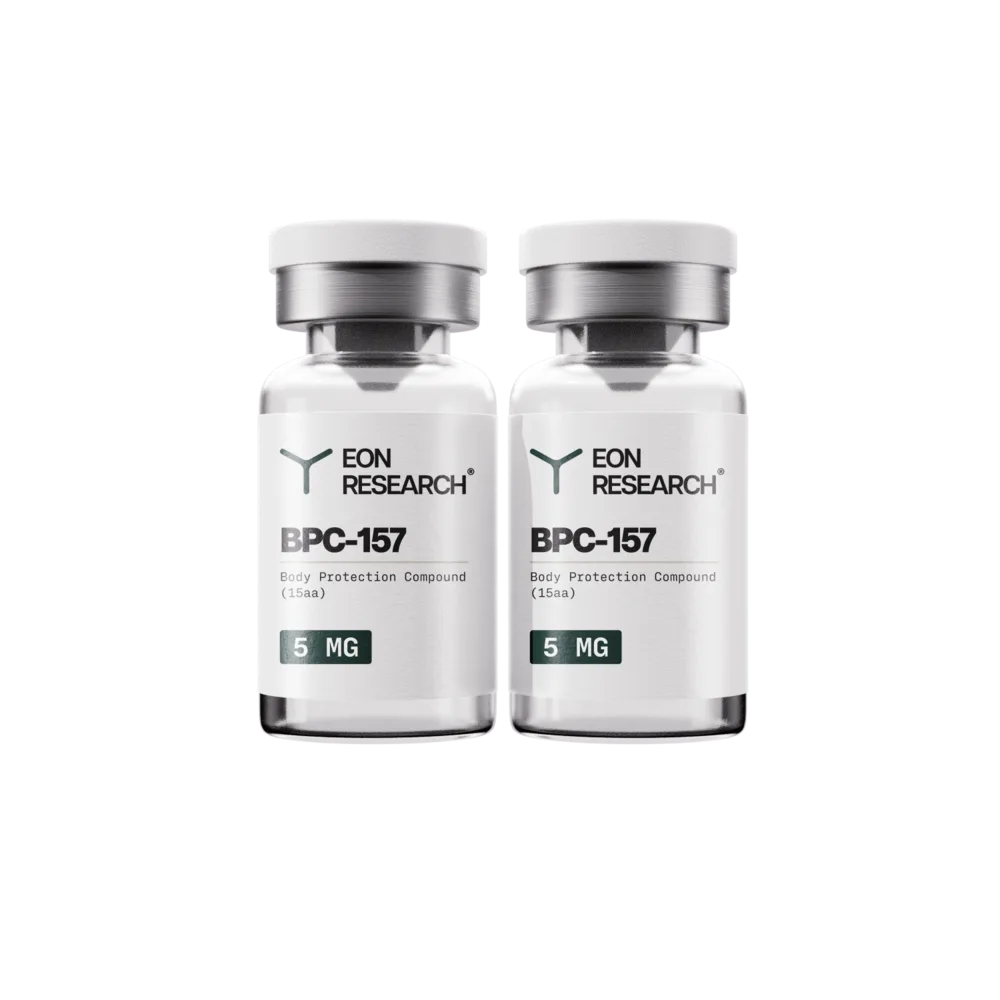
Body protective compound studied for tendon/ligament healing, gut repair, and systemic tissue recovery.
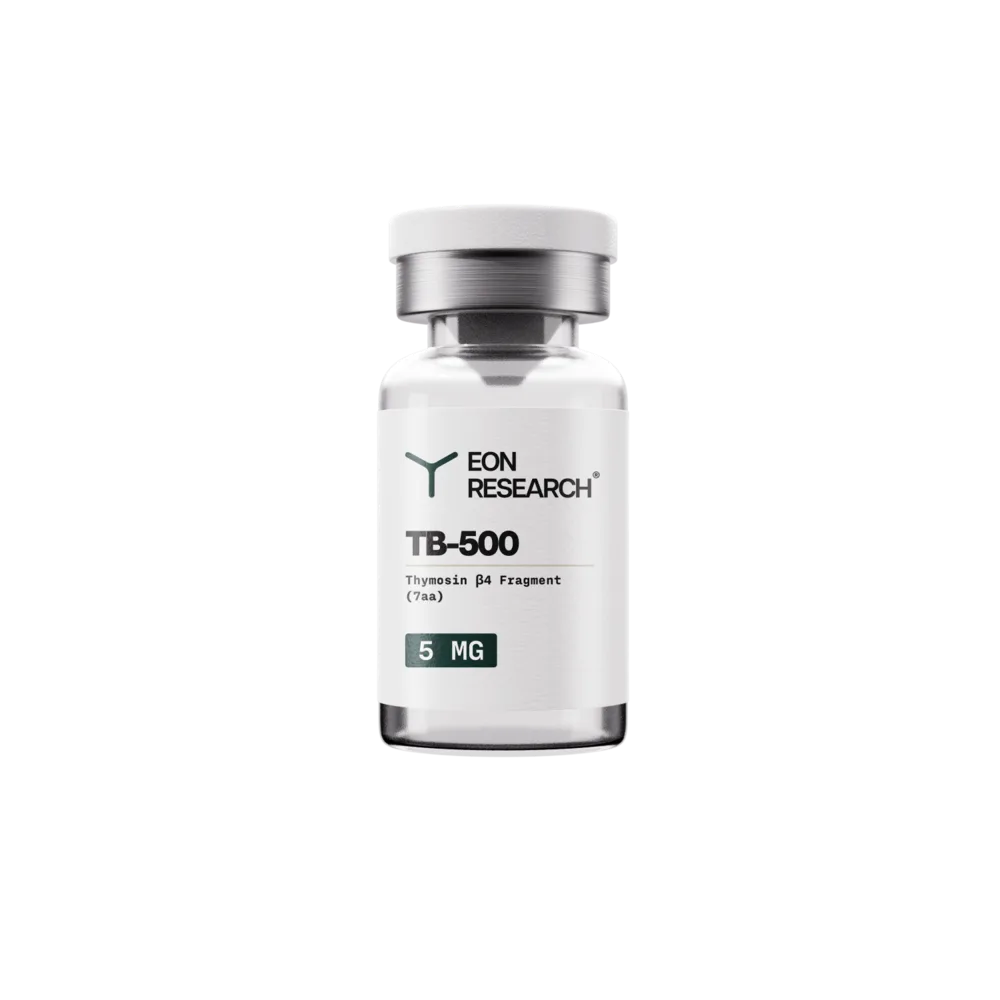
Thymosin Beta-4 fragment studied for muscle recovery, angiogenesis promotion, and reduced inflammation.
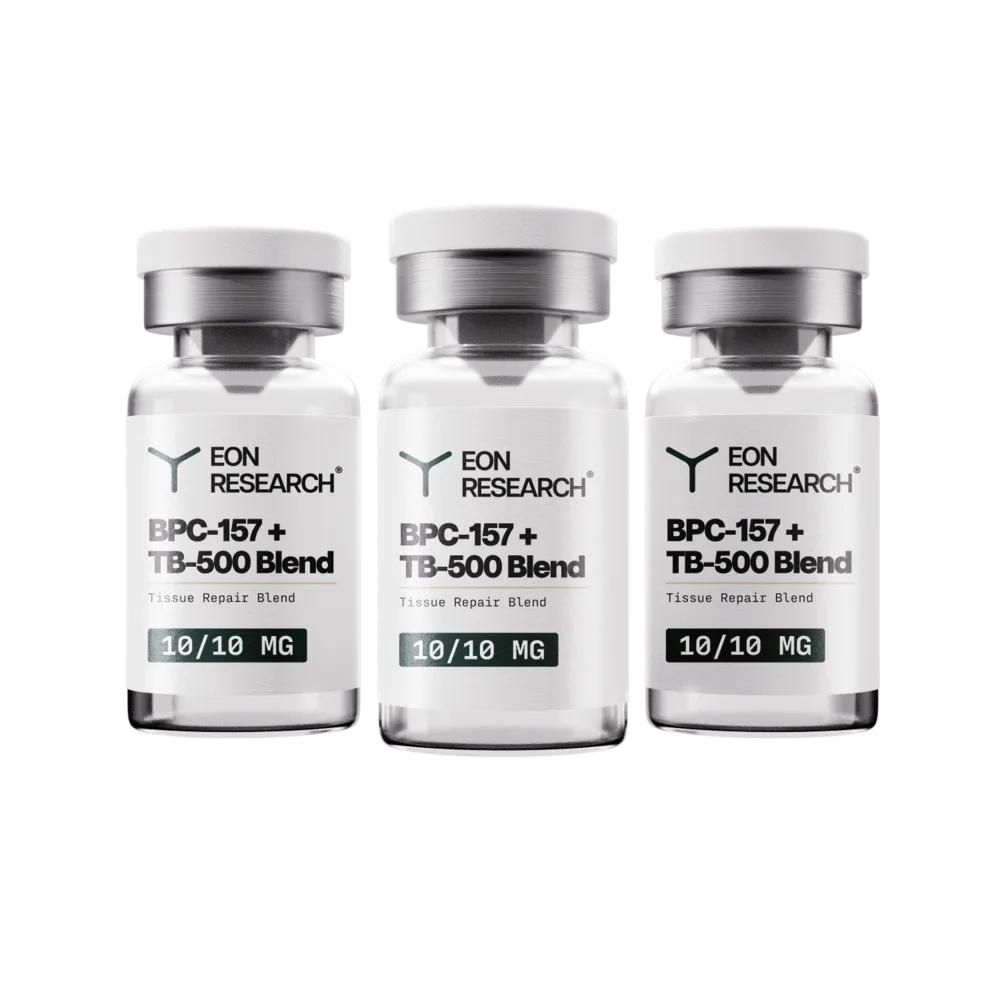
Combined tissue repair protocol. Studied for synergistic recovery and regeneration outcomes.
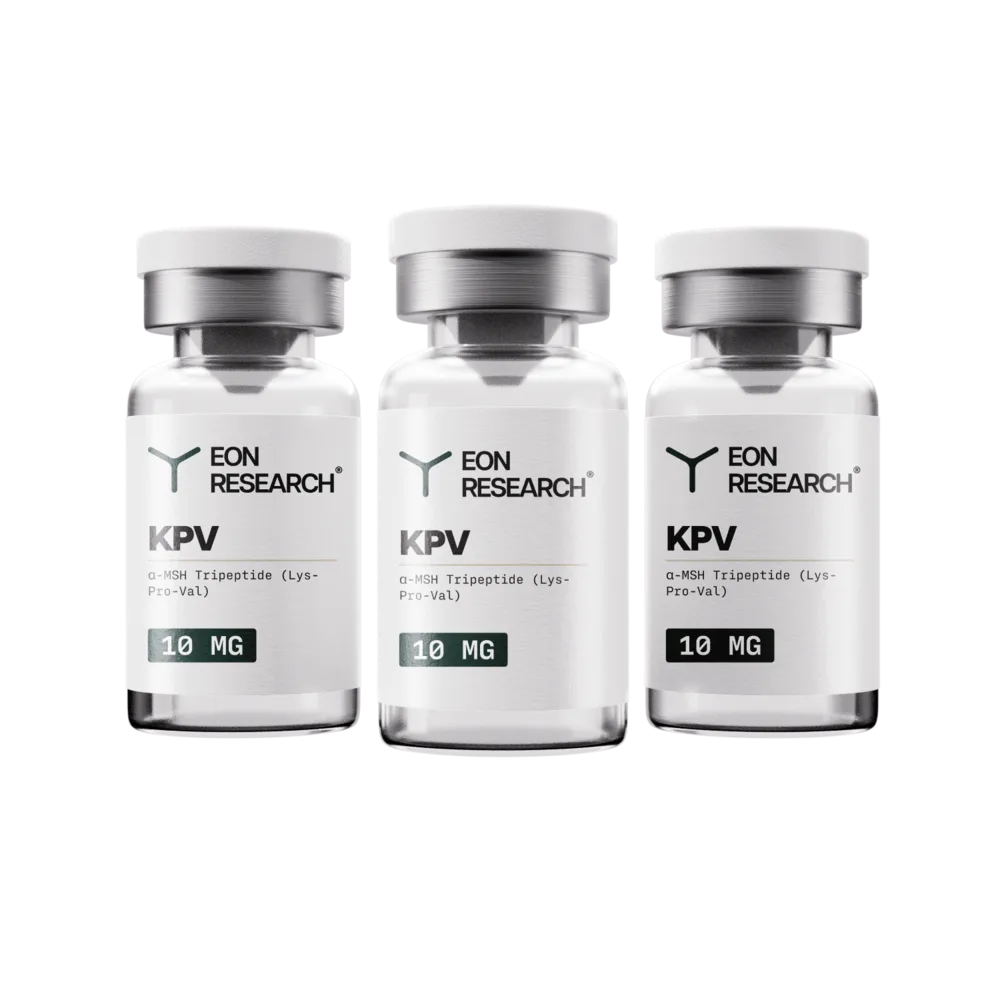
Alpha-MSH-derived tripeptide studied for anti-inflammatory, wound healing, and gut protection properties.
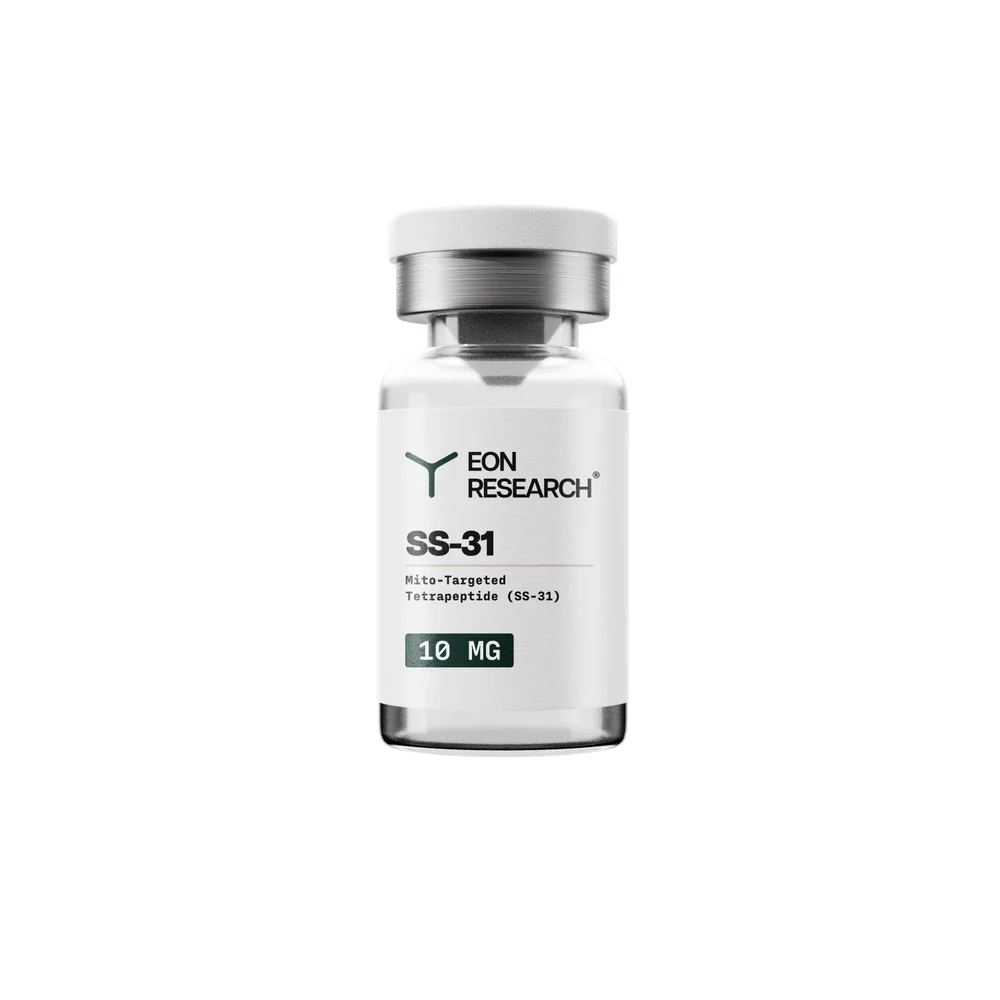
Mitochondria-targeting peptide studied for cellular energy restoration and oxidative stress reduction.
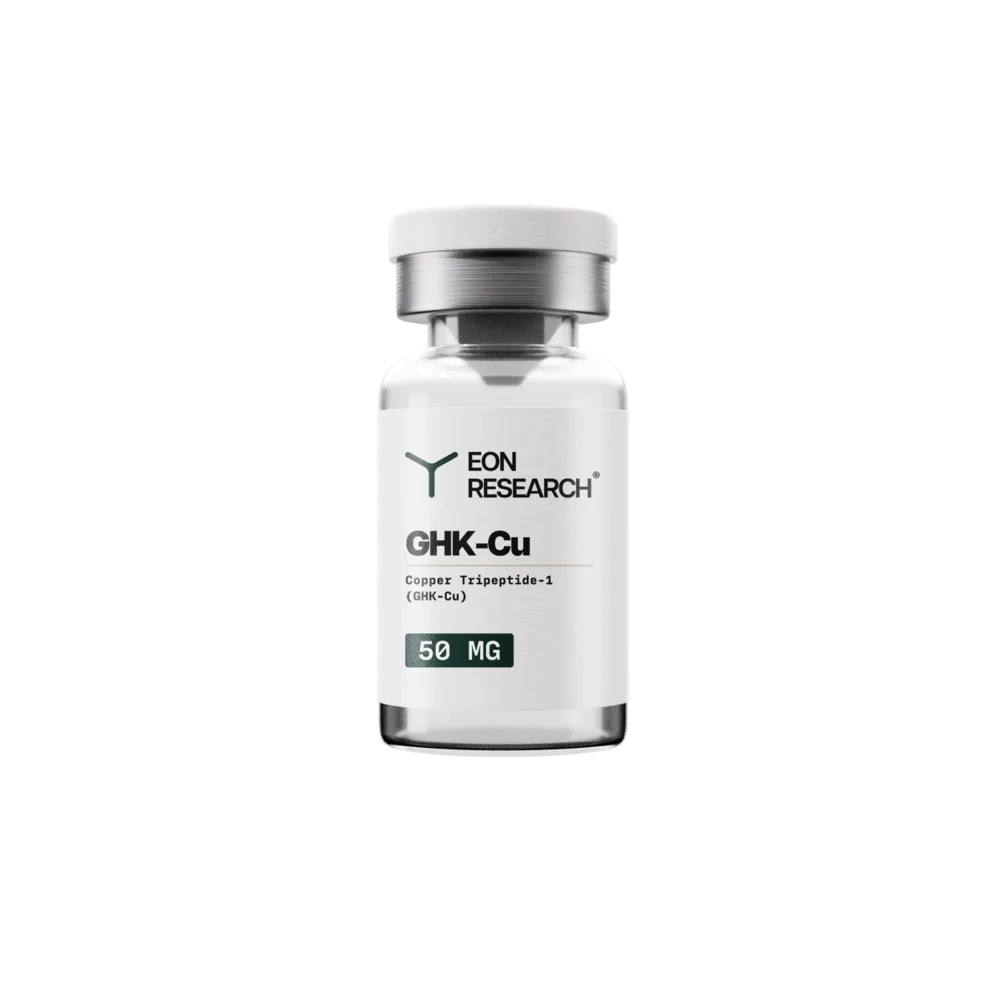
Copper-binding tripeptide studied for wound healing, collagen synthesis, skin regeneration, and anti-inflammatory effects.
Research reading on injury & recovery
- What Is BPC-157? Research Peptide OverviewBPC-157 is the most-studied compound in tissue-repair peptide research. Here's what it is, where its sequence comes from, and what it's studied for.
- What Is TB-500 (Thymosin Beta-4)? Research OverviewTB-500 is a synthetic Thymosin Beta-4 fragment studied for actin binding and cell migration. Here's what it is and how it differs from BPC-157.
- BPC-157 vs TB-500: Mechanisms and Research DifferencesA side-by-side comparison of the two most-studied recovery peptides — origin, mechanism, and research focus.
- BPC-157 and TB-500: The Recovery Research Stack ExplainedWhy BPC-157 and TB-500 are the most-studied recovery pairing in peptide research — mechanisms, the rationale for combining them, and the research kit.
- Best Research Peptides for Recovery Studies (2026)The recovery cluster at a glance: BPC-157, TB-500, the combined blend, and KPV — what each is studied for, and how to choose a research model.
- What Is KPV? Anti-Inflammatory Tripeptide ResearchKPV is a three-amino-acid fragment of alpha-MSH studied in anti-inflammatory and NF-kB signaling models. Here's what it is and what it's studied for.
- What Is SS-31 (Elamipretide)? Mitochondrial Peptide ResearchSS-31 (elamipretide) is a mitochondria-targeted tetrapeptide studied for cardiolipin binding and mitochondrial function. Here's the research overview.
Frequently asked questions
+What is the difference between BPC-157 and TB-500?
They are studied for different mechanisms. BPC-157 is a synthetic pentadecapeptide investigated mainly for angiogenesis, growth-factor upregulation, and cytoprotection. TB-500 is a fragment of thymosin beta-4 investigated for actin sequestration and cell migration. Because the mechanisms are complementary rather than overlapping, they are commonly studied as a pair.
+Why is the BPC-157 / TB-500 blend supplied as a single kit?
Combination research is common enough that a pre-blended reference standard removes a source of preparation variance between labs. Both compounds are also available individually if a study design requires them dosed separately.
+What is KPV studied for?
KPV is the C-terminal tripeptide of alpha-melanocyte-stimulating hormone. It appears in the literature primarily in inflammation-modulation and gut-barrier-integrity models, and is frequently referenced in gut–skin axis research.
+Are these products for human use?
No. Every compound is supplied strictly as a research reference standard for in-vitro laboratory use — not for human or veterinary use.
Related research topics
Researchers arriving at this collection are typically comparing recovery peptides, peptides for injury recovery research, BPC-157 and TB-500 stack, tendon repair peptide research. Each compound page carries CAS number, molecular formula, and per-lot third-party HPLC purity documentation.