Weight Loss Research Peptides
The incretin class is the most heavily published area in metabolic peptide research. This collection groups the reference standards most often cited in appetite-regulation, energy-expenditure, and insulin-signaling models: the GLP-1 receptor agonist semaglutide, the dual GIP/GLP-1 agonist tirzepatide, and the triple GIP/GLP-1/glucagon agonist retatrutide — plus the amylin analog cagrilintide, the HGH-fragment AOD-9604, and the mitochondrial-derived peptide MOTS-c.
Researchers comparing these compounds generally separate them by receptor coverage rather than by potency: single-agonist (semaglutide), dual-agonist (tirzepatide), and triple-agonist (retatrutide) designs answer different questions about pathway redundancy.
Supplied lyophilized in multi-vial research kits and shipped from our US facility with tracking. For in-vitro laboratory research and analytical method development only — not for human or veterinary use.
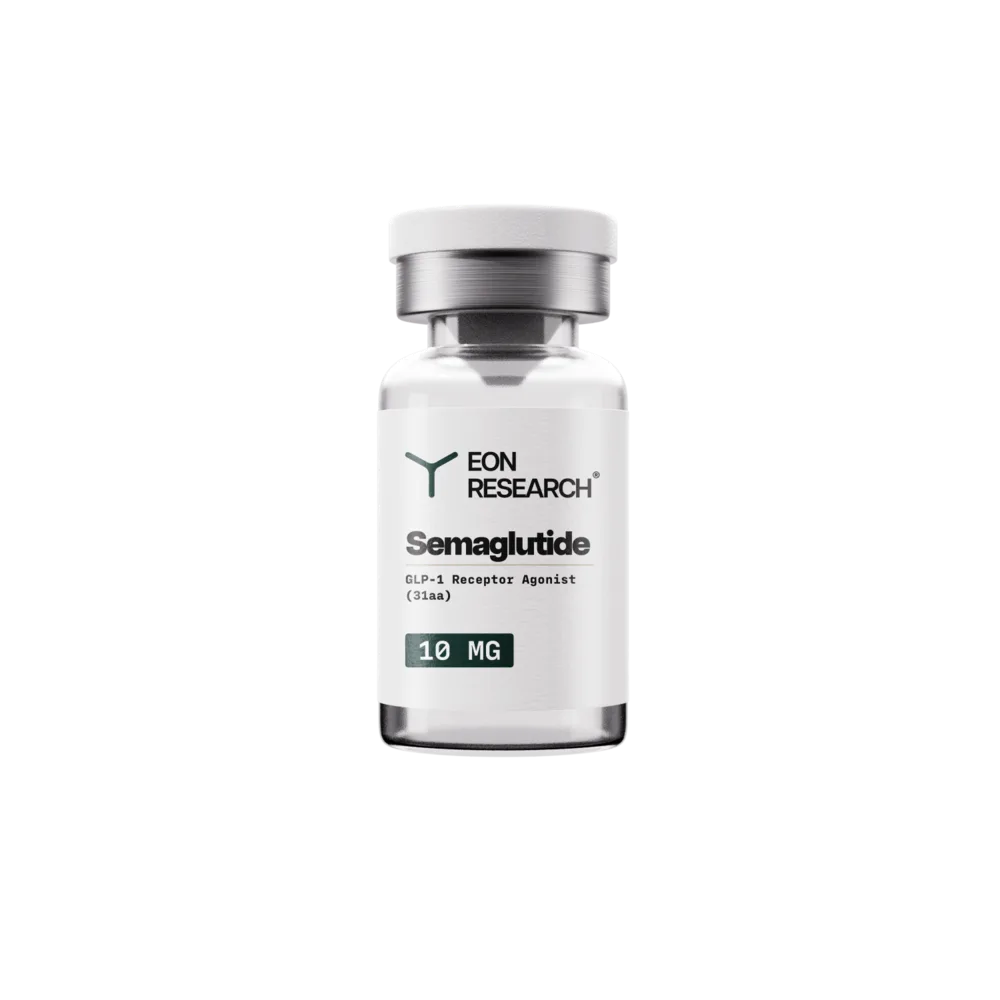
GLP-1 receptor agonist studied for appetite suppression, reduced caloric intake, and metabolic regulation.
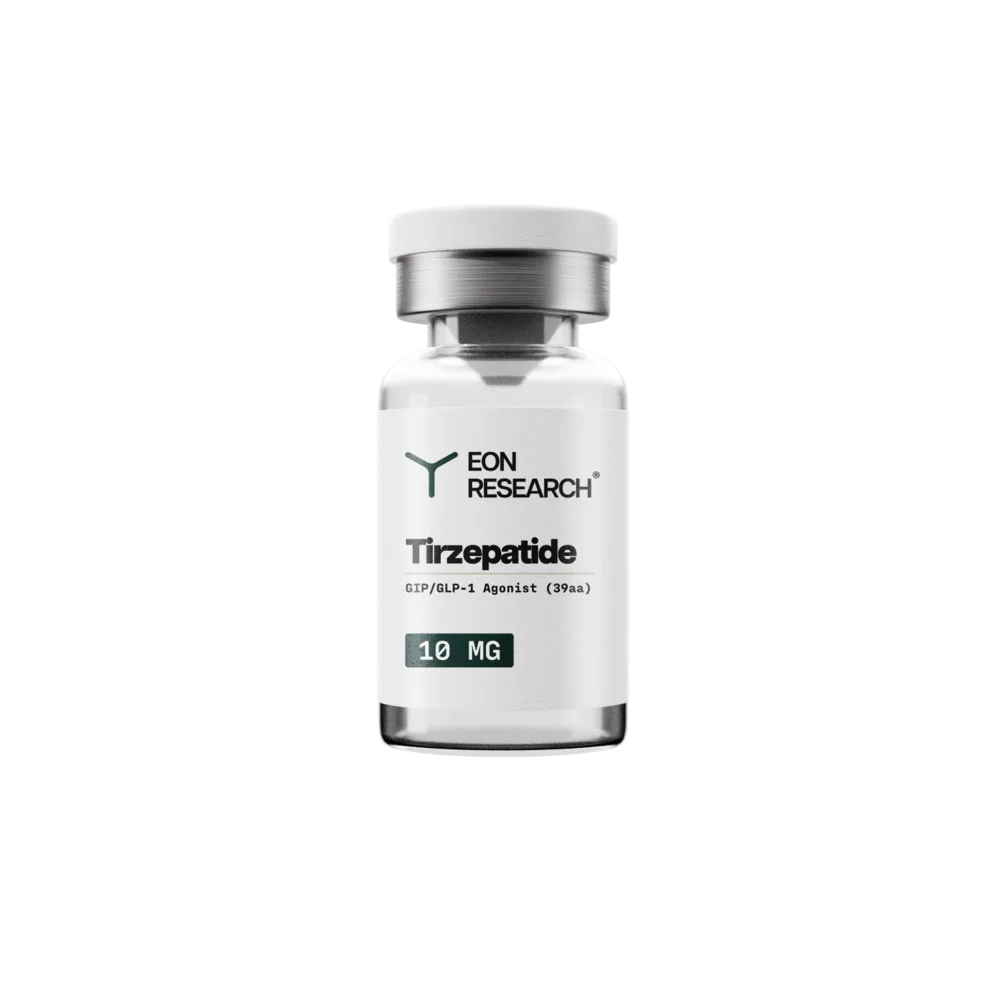
Dual GIP/GLP-1 receptor agonist. Studied for superior appetite reduction and weight management outcomes.
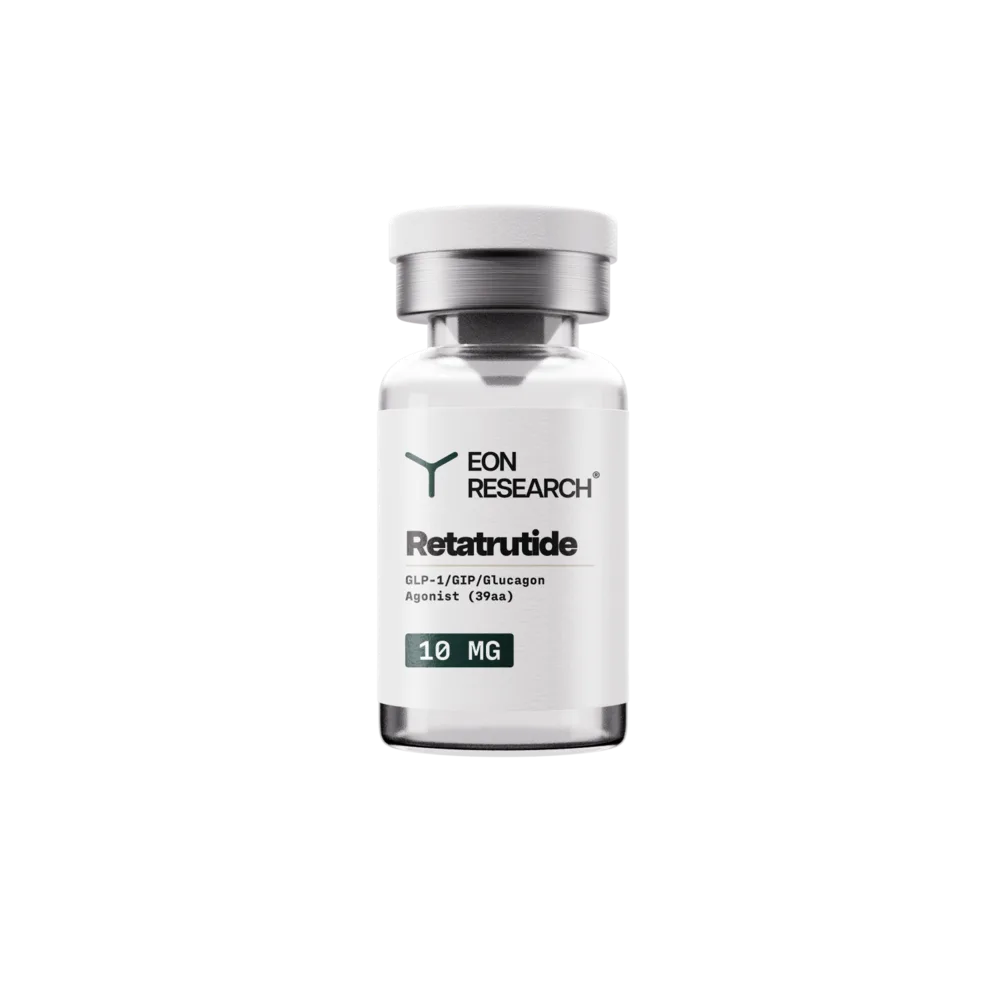
Triple agonist (GLP-1/GIP/Glucagon) under active research for metabolic and body composition outcomes.
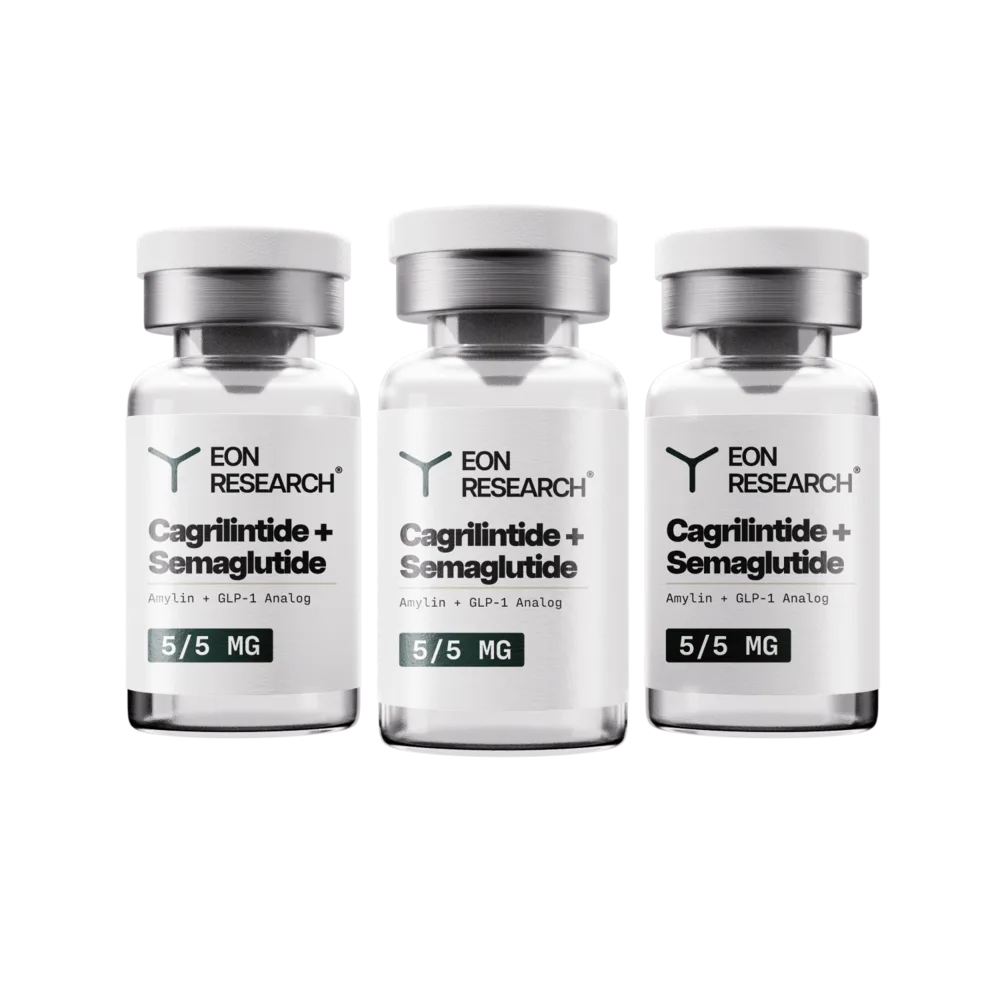
Dual-action amylin/GLP-1 combination. Studied for synergistic appetite and weight management.
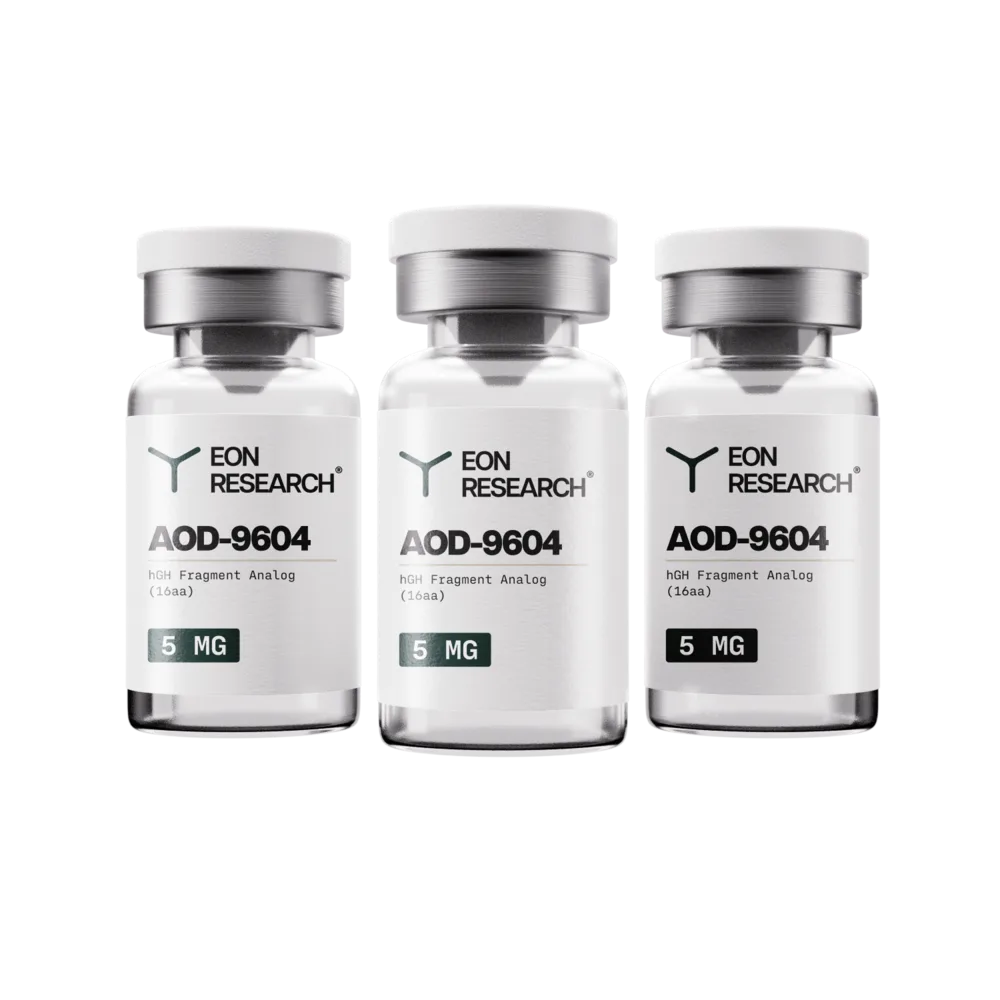
Modified fragment of HGH studied for fat metabolism stimulation without influencing IGF-1.

Mitochondrial-derived peptide studied for metabolic regulation, insulin sensitivity, and exercise adaptation.
Small molecule NNMT inhibitor studied for fat cell reduction and metabolic efficiency.
GHRH analog studied for visceral fat reduction and growth hormone pulse stimulation.
Research reading on weight loss
- GLP-1 Research Peptides ExplainedThe metabolic-research cluster everyone's searching for: how semaglutide, tirzepatide, and retatrutide differ at the receptor level.
- Semaglutide vs Tirzepatide: Research ComparisonSingle agonist vs dual agonist — how semaglutide and tirzepatide differ at the receptor level, for metabolic research.
- Tirzepatide vs Retatrutide: Research ComparisonDual agonist vs triple agonist — how tirzepatide and retatrutide differ at the receptor level, and why the glucagon arm changes the research question.
- Best Research Peptides for Metabolic Studies (2026)A 2026 roundup of the most-studied metabolic research peptides, organized by mechanism — from single GLP-1 agonists to mitochondrial-derived peptides.
- Cagrilintide + Semaglutide: The Amylin/GLP-1 Research ComboCagrilintide is an amylin analog studied alongside semaglutide. Here's why the amylin/GLP-1 combination is its own research category.
Frequently asked questions
+Which research peptides are most studied in weight-regulation models?
Semaglutide, tirzepatide, and retatrutide dominate the published literature. They differ by receptor coverage: semaglutide is a single GLP-1 agonist, tirzepatide is a dual GIP/GLP-1 agonist, and retatrutide adds glucagon receptor activity as a triple agonist. Cagrilintide (an amylin analog) is frequently studied alongside semaglutide as a combination.
+What is the difference between semaglutide and tirzepatide in research settings?
Semaglutide acts on the GLP-1 receptor alone. Tirzepatide is a dual agonist that engages both the GIP and GLP-1 receptors, which is why it is often used as a comparator when a study is designed to isolate the contribution of GIP signaling.
+How are these compounds supplied?
All compounds are supplied lyophilized in sealed vials as multi-vial research kits, with third-party HPLC purity documentation available per lot. They ship from our US facility with tracking.
+Are these products for human use?
No. Every compound listed is supplied strictly as a reference standard for in-vitro laboratory research and analytical method development. They are not drugs, not dietary supplements, and are not for human or veterinary use.
Related research topics
Researchers arriving at this collection are typically comparing weight loss peptides, peptides for weight loss research, GLP-1 research peptides, best research peptides for metabolic studies. Each compound page carries CAS number, molecular formula, and per-lot third-party HPLC purity documentation.