Muscle Growth Research Peptides
Hypertrophy and lean-mass research clusters around two signaling axes: the growth-hormone axis (GHRH analogs and ghrelin-receptor agonists that drive endogenous GH pulses) and the IGF-1 axis downstream of it. This collection carries reference standards for both, plus follistatin, which is studied for myostatin inhibition — a separate pathway entirely.
The most-cited combination in the literature is a GHRH analog paired with a selective secretagogue — typically CJC-1295 with ipamorelin — because the two act on different receptors and are used to study additive versus redundant GH release.
Supplied lyophilized in multi-vial research kits and shipped from our US facility with tracking. For in-vitro laboratory research and analytical method development only — not for human or veterinary use.
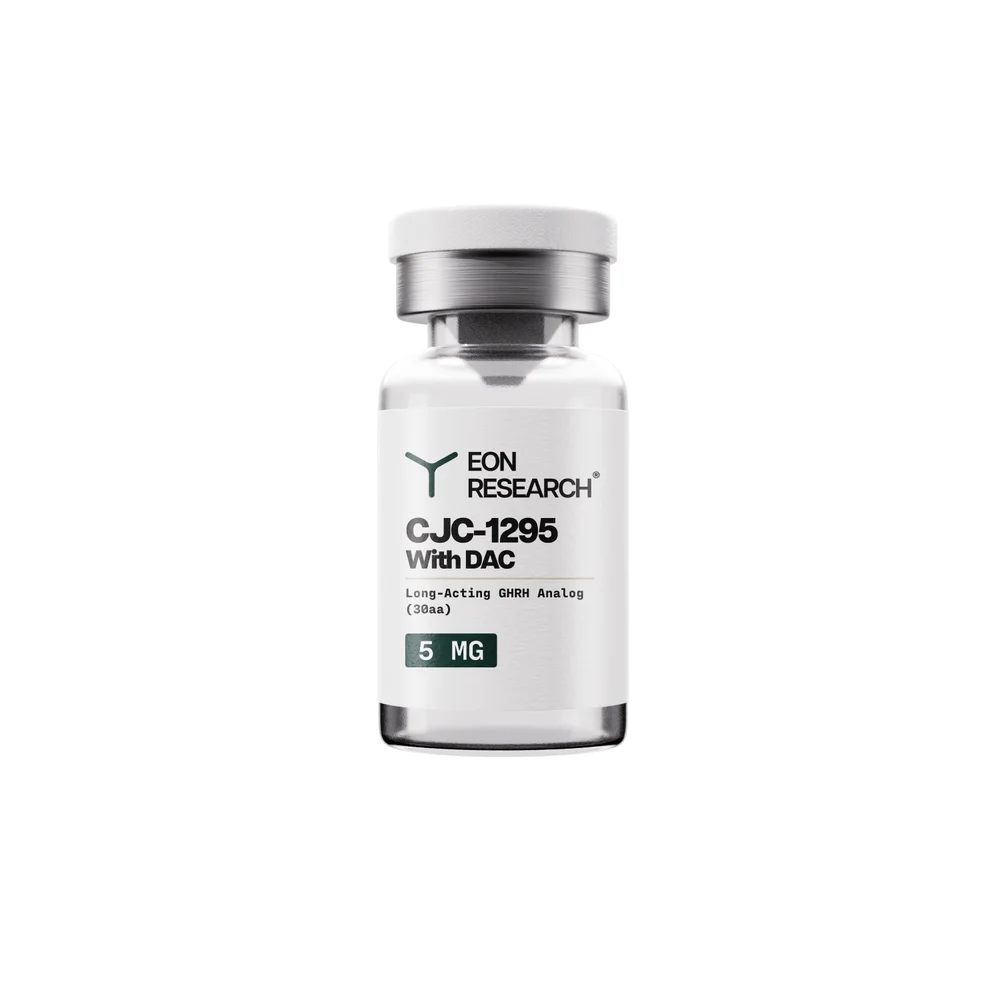
Long-acting GHRH analog with Drug Affinity Complex for extended GH stimulation.
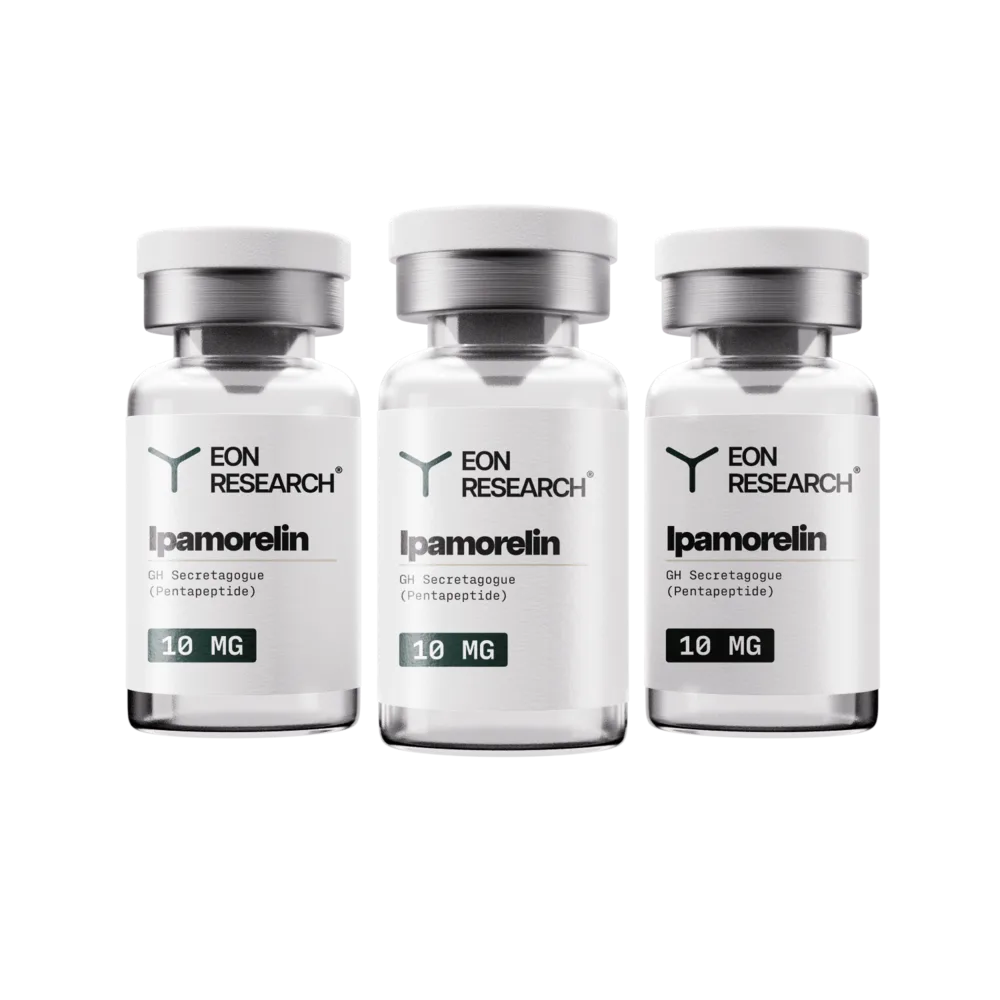
Selective GHRP studied for clean GH pulse stimulation with minimal cortisol or prolactin elevation.
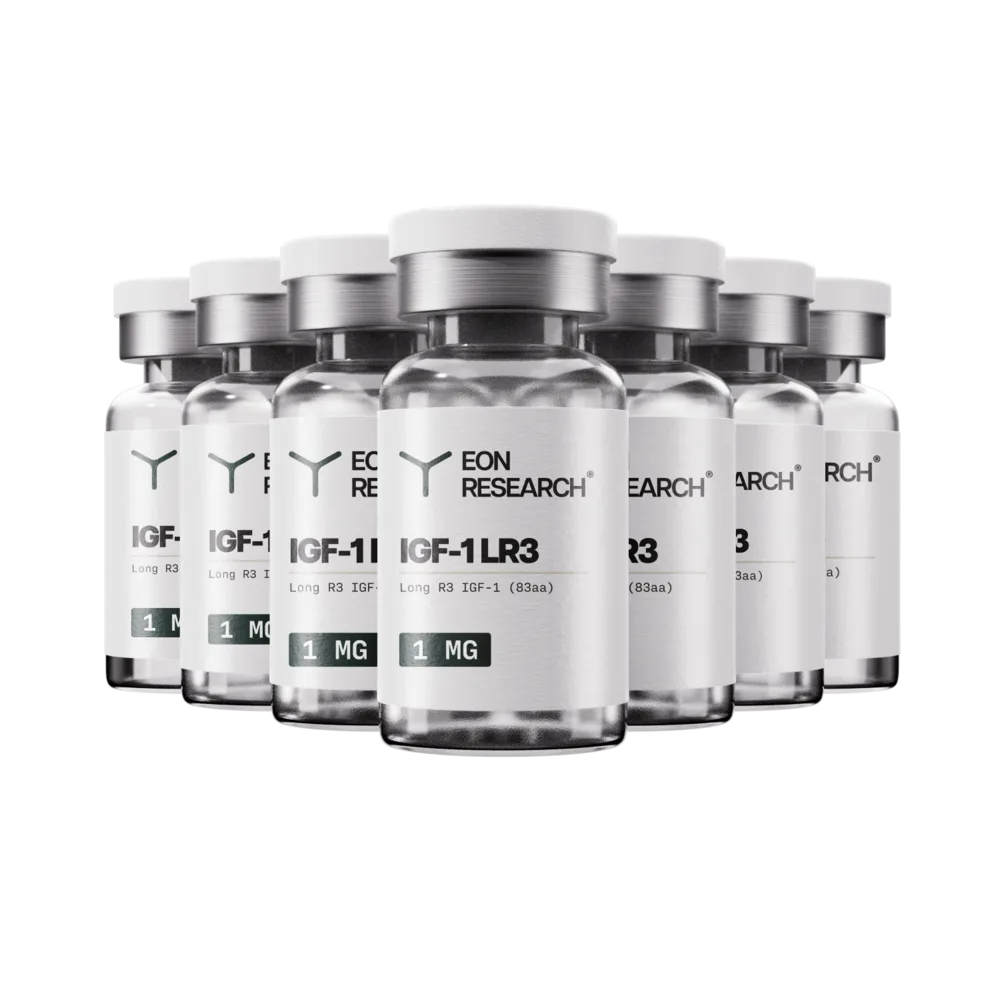
Long-acting IGF-1 analog studied for muscle cell proliferation, nutrient uptake, and lean tissue development.
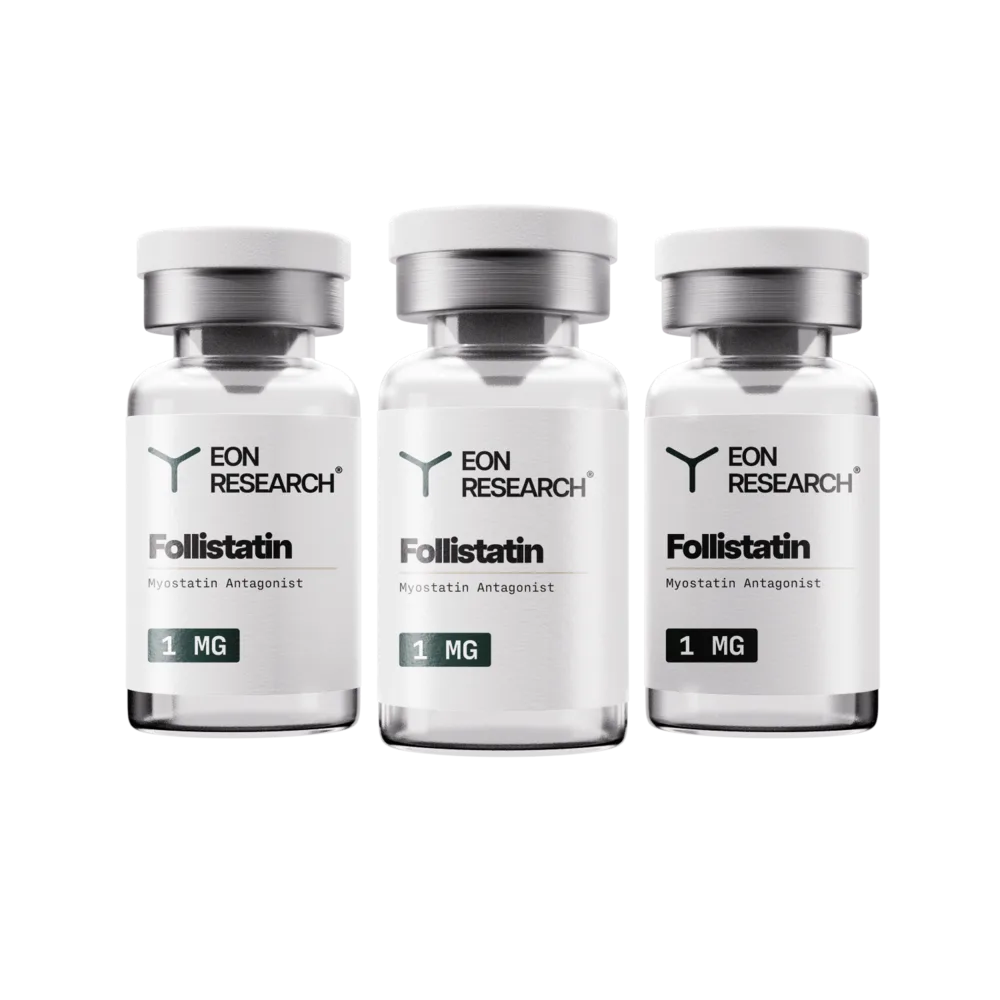
Myostatin inhibitor studied for muscle fiber development, body composition, and regenerative support.
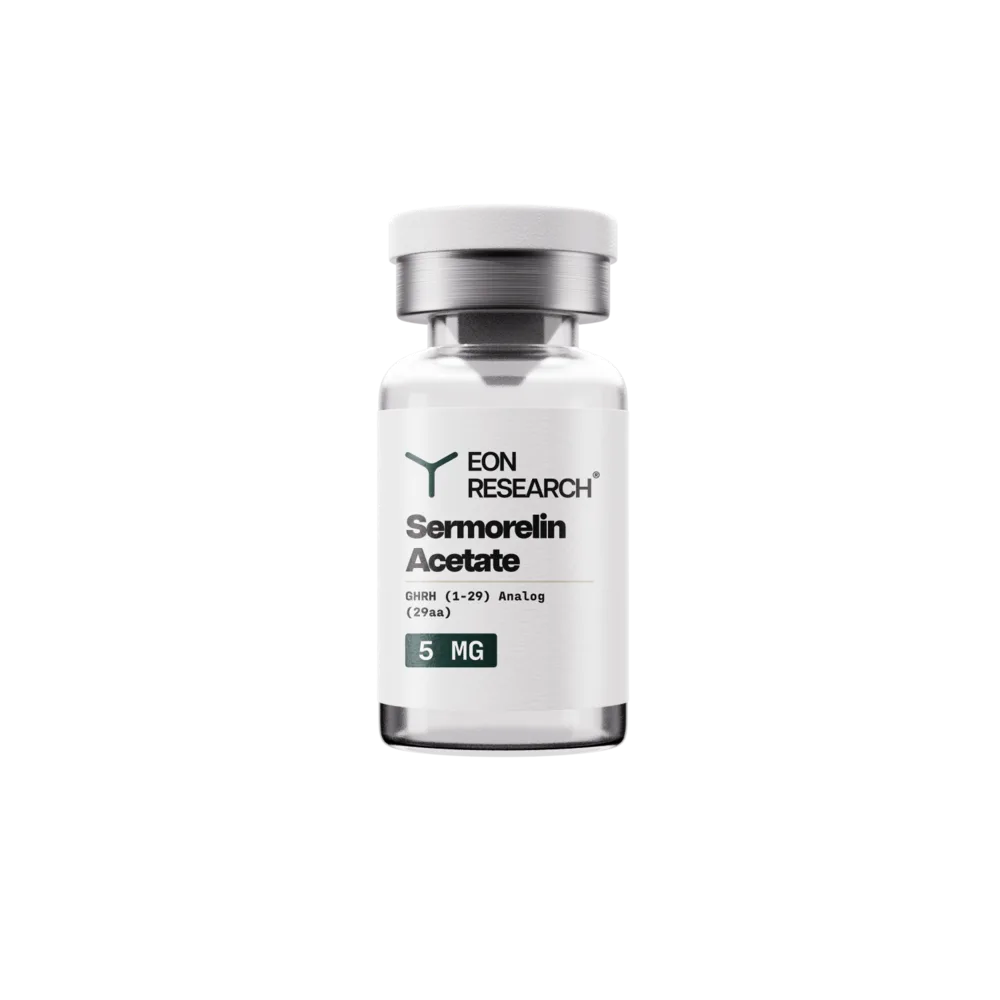
GHRH(1-29) analog studied for endogenous GH secretion, sleep quality, and body composition.
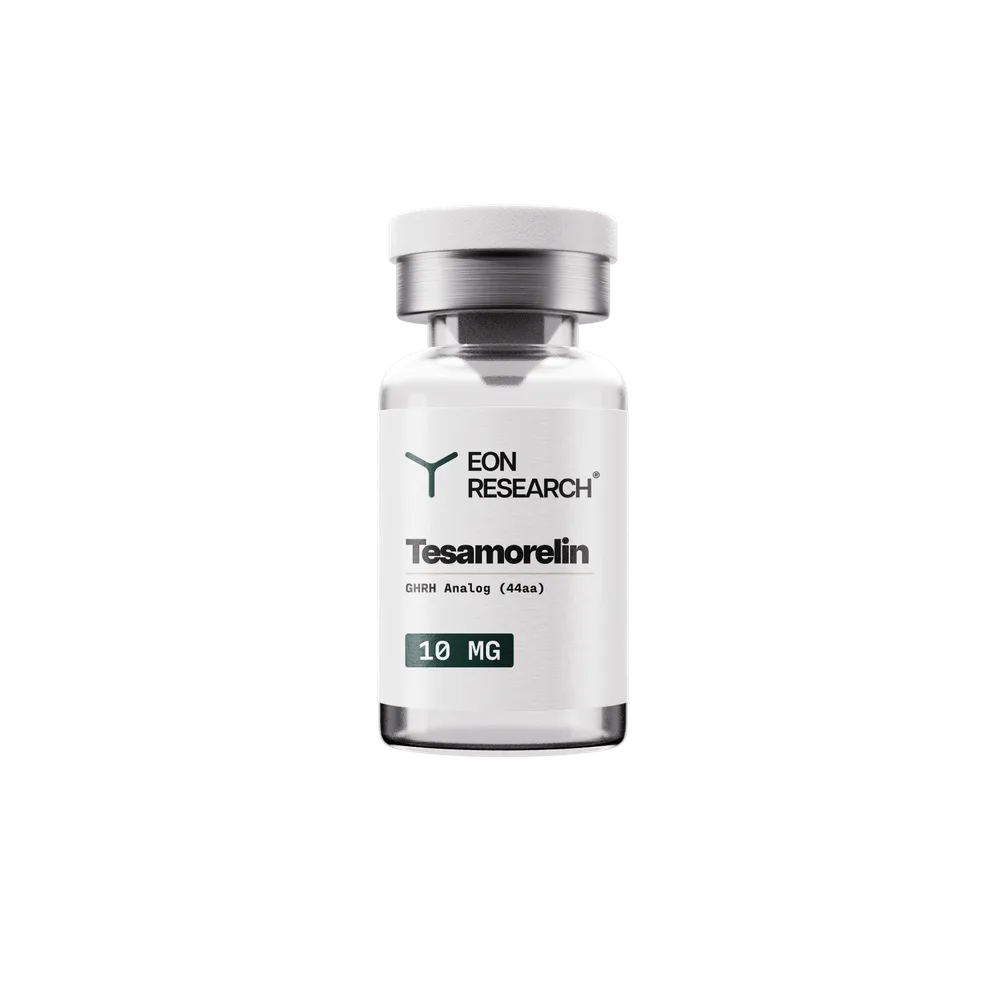
GHRH analog studied for visceral fat reduction and growth hormone pulse stimulation.

Mitochondrial-derived peptide studied for metabolic regulation, insulin sensitivity, and exercise adaptation.
Research reading on muscle growth
- CJC-1295 + Ipamorelin: The GH-Axis Research StackThe most-studied growth-hormone secretagogue pairing in research models: how a GHRH analog and a selective GH secretagogue act on different receptors to amplify pulsatile GH release.
- CJC-1295 DAC vs No-DAC: Research ComparisonThe only meaningful difference between the two CJC-1295 forms is the DAC — and it changes everything about the kinetics. Here's what the Drug Affinity Complex does in research terms.
- Sermorelin vs CJC-1295: GHRH Analog ComparisonBoth are GHRH analogs that target the same receptor — but sermorelin is the parent fragment while CJC-1295 adds stabilizing modifications. Here's how the two compare in research terms.
- What Is IGF-1 LR3? Research OverviewIGF-1 LR3 is the long-acting analog of insulin-like growth factor 1, engineered to evade binding proteins and study IGF-1 receptor signaling downstream of growth hormone.
- What Is Follistatin? Myostatin-Pathway ResearchFollistatin is studied as a natural antagonist of myostatin — the TGF-β ligand that limits muscle growth. Here's how the myostatin pathway works and where follistatin fits in research.
- What Is Ipamorelin? Selective GH Secretagogue ResearchIpamorelin is studied as one of the most selective GH secretagogues known — a ghrelin-receptor agonist that triggers GH release with a notably clean off-target profile in research models.
Frequently asked questions
+Why are CJC-1295 and ipamorelin studied together?
They act on two different receptors. CJC-1295 is a GHRH analog that increases the amplitude of growth-hormone pulses; ipamorelin is a selective ghrelin/GHS-receptor agonist that initiates a pulse. Because the mechanisms are independent, the pair is a standard model for studying additive GH release.
+What is the difference between CJC-1295 DAC and no-DAC?
DAC (Drug Affinity Complex) is an added moiety that binds serum albumin, substantially extending half-life. No-DAC (often called mod GRF 1-29) clears quickly, producing a sharp pulse. Researchers choose between them based on whether the model calls for sustained elevation or pulsatile signaling.
+How does follistatin differ from the GH-axis compounds?
Follistatin does not act on the growth-hormone axis at all. It is studied as a myostatin antagonist — myostatin being a negative regulator of muscle mass — so it addresses a distinct and parallel pathway.
+Are these products for human use?
No. All compounds are reference standards supplied for in-vitro laboratory research and analytical method development only — not for human or veterinary use.
Related research topics
Researchers arriving at this collection are typically comparing muscle growth peptides, peptides for muscle building research, growth hormone research peptides, CJC-1295 ipamorelin stack. Each compound page carries CAS number, molecular formula, and per-lot third-party HPLC purity documentation.