Gut Barrier & GI Research Peptides
Gastrointestinal peptide research has an unusual origin: BPC-157 was isolated from human gastric juice, and the earliest published models were GI models rather than tendon ones. It remains the most-cited compound in gut-barrier and mucosal-integrity research.
KPV is the other anchor, studied for NF-κB pathway modulation in intestinal epithelium — and, because the same signaling appears in dermal tissue, it is the compound that connects the gut–skin axis literature. LL-37 contributes on the mucosal host-defense side.
Supplied lyophilized in multi-vial research kits and shipped from our US facility with tracking. For in-vitro laboratory research and analytical method development only — not for human or veterinary use.
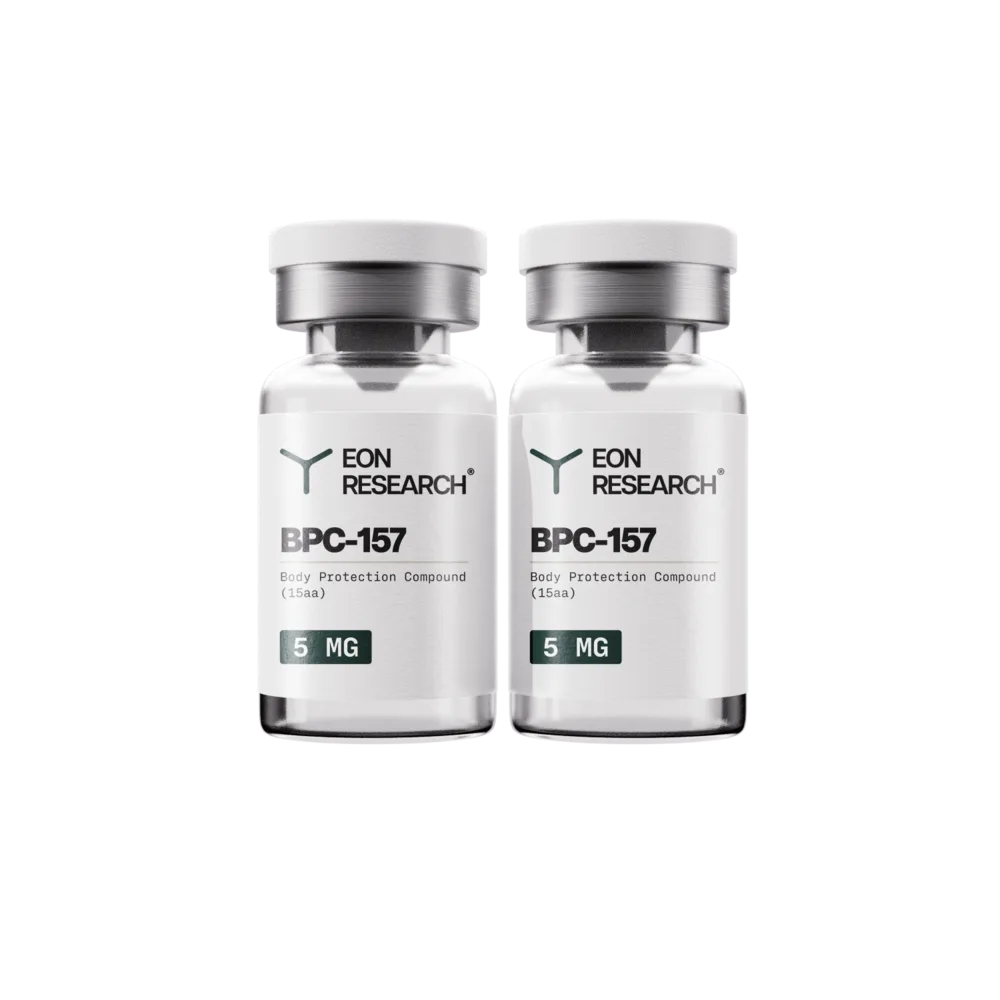
Body protective compound studied for tendon/ligament healing, gut repair, and systemic tissue recovery.
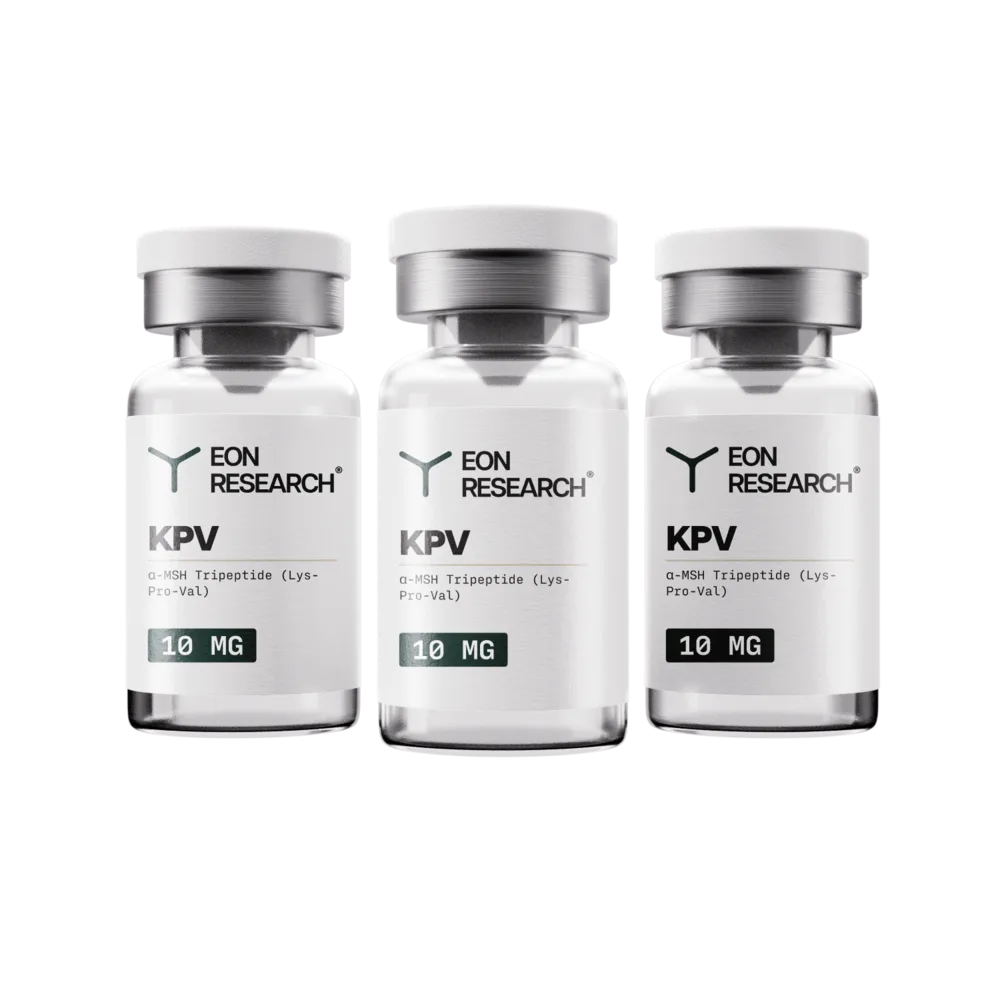
Alpha-MSH-derived tripeptide studied for anti-inflammatory, wound healing, and gut protection properties.
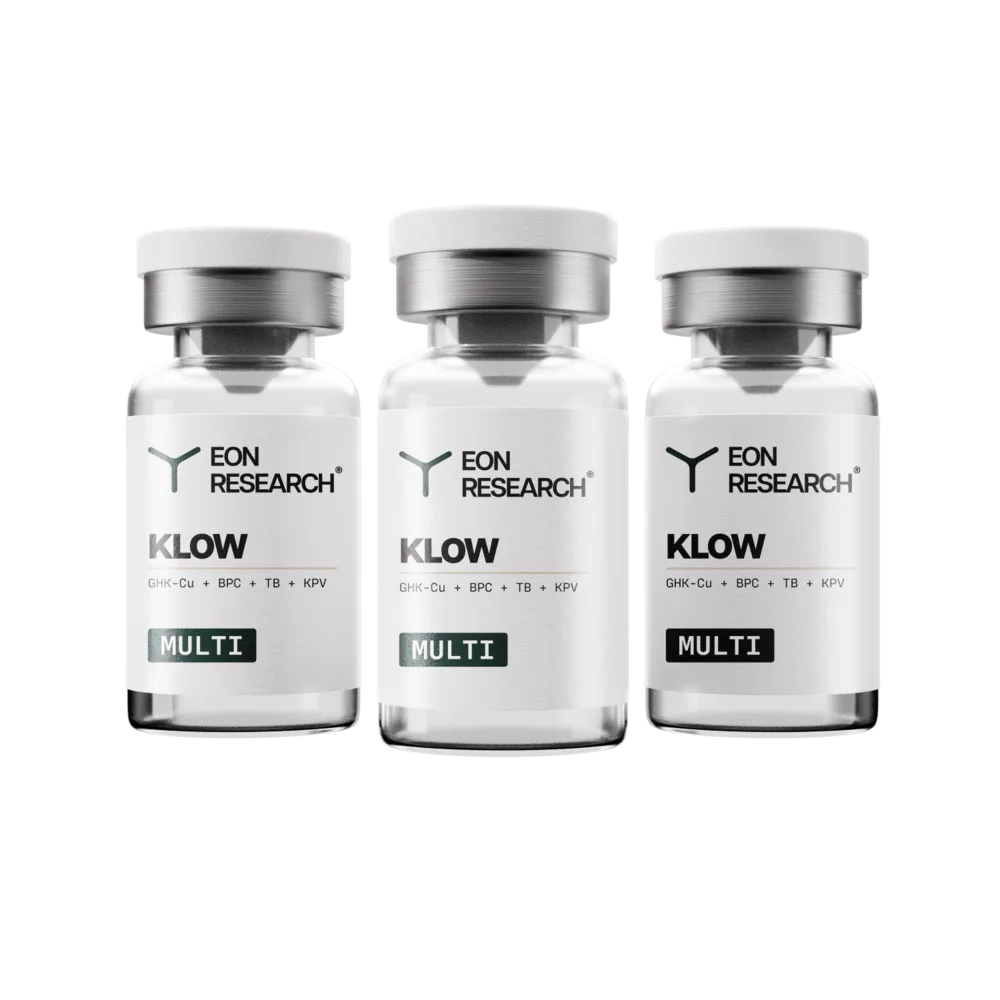
Four-peptide research blend containing BPC-157, TB-500, GHK-Cu, and KPV. Studied for comprehensive tissue repair, anti-inflammatory response, and skin regeneration.
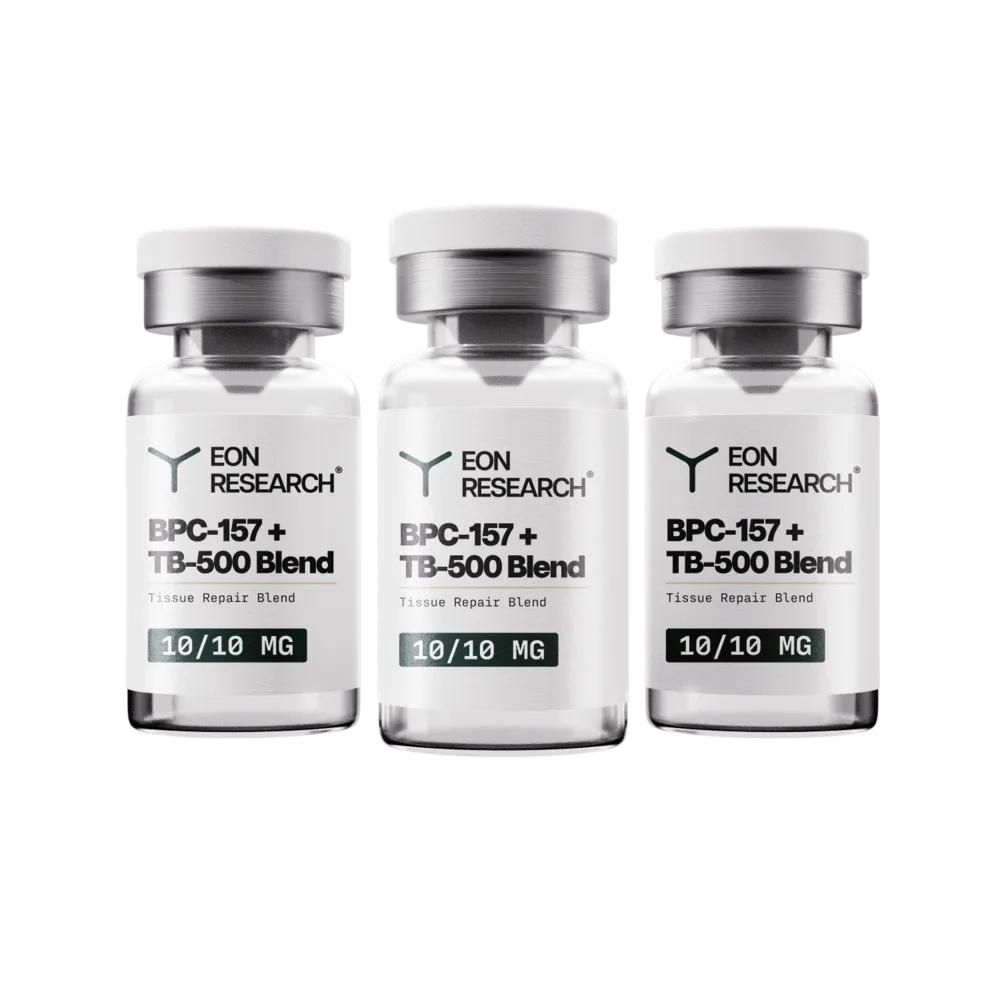
Combined tissue repair protocol. Studied for synergistic recovery and regeneration outcomes.
Research reading on gut health
- What Is BPC-157? Research Peptide OverviewBPC-157 is the most-studied compound in tissue-repair peptide research. Here's what it is, where its sequence comes from, and what it's studied for.
- What Is KPV? Anti-Inflammatory Tripeptide ResearchKPV is a three-amino-acid fragment of alpha-MSH studied in anti-inflammatory and NF-kB signaling models. Here's what it is and what it's studied for.
- Best Research Peptides for Recovery Studies (2026)The recovery cluster at a glance: BPC-157, TB-500, the combined blend, and KPV — what each is studied for, and how to choose a research model.
Frequently asked questions
+Why is BPC-157 associated with gut research specifically?
BPC-157 is a partial sequence of a protein isolated from human gastric juice, and the original body of research was built on gastrointestinal models. The tendon and ligament literature came later, which is why the GI citations run deepest.
+What is the gut–skin axis in peptide research?
It refers to shared inflammatory signaling — notably the NF-κB pathway — between intestinal and dermal epithelium. KPV is the compound most often used to study that overlap, since it appears in both gut-barrier and skin-inflammation models.
+Are these products for human use?
No. All compounds are supplied as reference standards for in-vitro laboratory research only — not for human or veterinary use.
Related research topics
Researchers arriving at this collection are typically comparing gut health peptides, BPC-157 gut research, KPV gut barrier research, gut skin axis peptide research. Each compound page carries CAS number, molecular formula, and per-lot third-party HPLC purity documentation.